For solar installers and EPCs in the Gulf, 2026 has changed the logistics that projects depend on. Disruption around the Strait of Hormuz since early in the year has reshaped how containers reach the region, how long they take and what they cost. Planning around stock that is already in the region has become one of the simplest ways to protect a project schedule.
How Gulf shipping has changed
- Routing: many carriers now discharge Gulf-bound cargo at ports outside the strait, such as Fujairah and Khor Fakkan, and move it overland to Jebel Ali and other destinations.
- Volumes: container volumes at Jebel Ali in the first half of 2026 were well below the previous year, and ship traffic through the strait fell further during November.
- Costs: carriers apply emergency and war-risk surcharges on Gulf cargo, on top of general freight rates that remain more than double their level a year ago.
- Lead times: extra handling, trucking and schedule changes add days or weeks to door-to-door delivery and make arrival dates harder to predict.
Why this matters for solar projects
Solar projects run on fixed timelines: site readiness, installation crews, grid connection appointments and customer handover dates. When modules, inverters or batteries arrive late, crews stand idle and handover slips. When freight costs change between quotation and delivery, margins shrink.
Chinese equipment prices are currently soft, with TOPCon modules steady at about USD 0.114/W outside China and battery cell prices well below their mid-2026 peak. For buyers in the Gulf, the cost and time to get that equipment into the region now matters as much as the ex-works price.
The case for in-region stock
- Known landed cost: stock already in Jebel Ali has absorbed its freight and surcharges, so you can quote customers on a fixed cost.
- Short lead times: collection or delivery within days instead of waiting on a vessel schedule.
- Smaller orders: buy what each project needs instead of committing to full containers months ahead.
- Mixed loads: combine modules, inverters, batteries and mounting from one source.
Planning tips for the months ahead
- Build freight and surcharge assumptions into quotations, and set short validity periods on direct-import quotes.
- Split procurement: import large, planned volumes direct, and cover urgent or variable needs from regional stock.
- Note that China's 6% battery export rebate ends on 1 January 2027, so battery prices on new imports are likely to rise after that date.
How Nastech can help
Nastech has operated from Dubai since 2010 and runs a warehouse in Jebel Ali (JAFZA), supplying modules, inverters, Jebel-branded LFP batteries and accessories to installers across the GCC, Iraq and Africa. Contact our sales team for current stock and project pricing.
Featured product
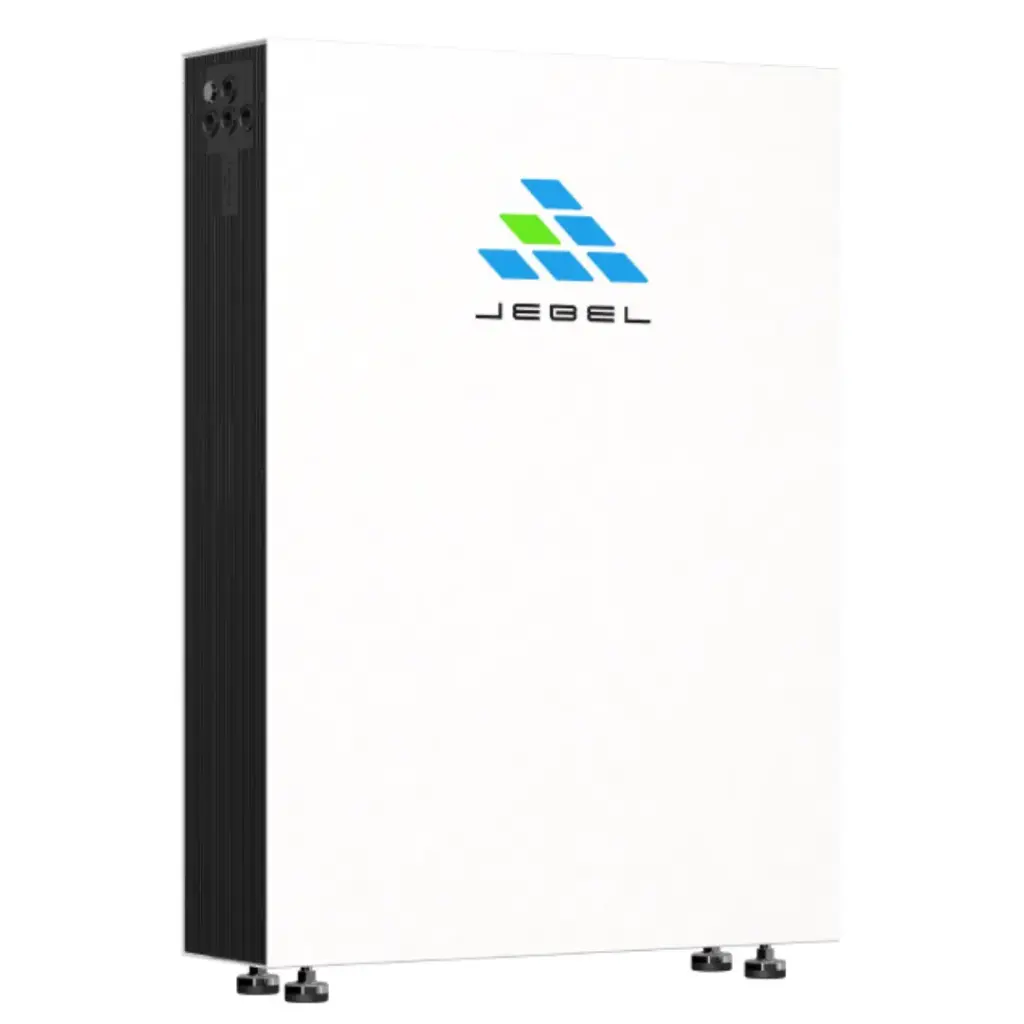
JEBEL 16.07kWh Floor Standing Lithium Battery IP65 – Outdoors: a 48V LiFePO4 battery rated IP65 for outdoor installation. View product
Sources: Drewry World Container Index, InfoLink Consulting and public shipping trackers, as of late November 2026.