Power cuts are pushing more homes and small businesses in East Africa to look for backup power. At the same time, a new wave of compact "portable power stations" has reached the market, with 1 kWh units now being shown to distributors in Nairobi. For installers, the question customers ask is simple: do I need a full system, or will a portable unit do?
What a portable power station is built for
A typical portable power station combines a small lithium battery (around 1 kWh), an inverter of about 500 W and a solar input of a few hundred watts in one box. It is a good fit for:
- Phones, laptops, Wi-Fi routers and LED lights during short outages
- A television or fan for a few hours
- Small shops, kiosks and mobile use where no installation is possible
It is not designed to run a fridge, freezer, water pump, air conditioner or several appliances at once, and it is not connected to the home's wiring.
What a 5 kWh or 16 kWh home system does differently
A proper backup system pairs a wall-mounted or floor-standing LFP battery with a hybrid inverter that is wired into the building. The difference shows up in four places:
- Runtime: a 5 kWh battery stores about five times the energy of a 1 kWh portable unit. A 16 kWh battery can carry a home or small office through an evening and night.
- Loads: hybrid inverters typically deliver 3–10 kW, enough for fridges, pumps and, on larger systems, air conditioning.
- Automatic switching: the system switches over when the grid fails, so lights and equipment keep running without anyone plugging anything in.
- Solar charging: rooftop panels recharge the battery every day and cut grid bills, not just cover outages.
Cost per kWh, not price per box
Portable units look cheap because the box is small. Compared on cost per kWh of storage, installed LFP systems are usually far better value, and their batteries are rated for thousands of full cycles. China's storage cell prices are currently around USD 51 per kWh, below their mid-2026 peak, which keeps installed battery systems affordable.
A note on Kenya's net-metering rules
Kenya's regulator EPRA now applies a surcharge to unauthorised exports to the grid, while approved net-metering customers receive credit for 50% of exported units. Systems with a battery and export control store surplus solar instead of pushing it to the grid, which keeps customers compliant and makes better use of every kWh produced.
Helping customers choose
Portable stations have a place for light, short backup. For homes, clinics, shops and offices that need reliable power, an installed hybrid system remains the better long-term investment.
Nastech supplies Jebel-branded 5 kWh and 16 kWh LFP batteries, hybrid inverters and panels to installers across East Africa from its Mombasa warehouse. Contact our team for system sizing support and installer pricing.
Featured product
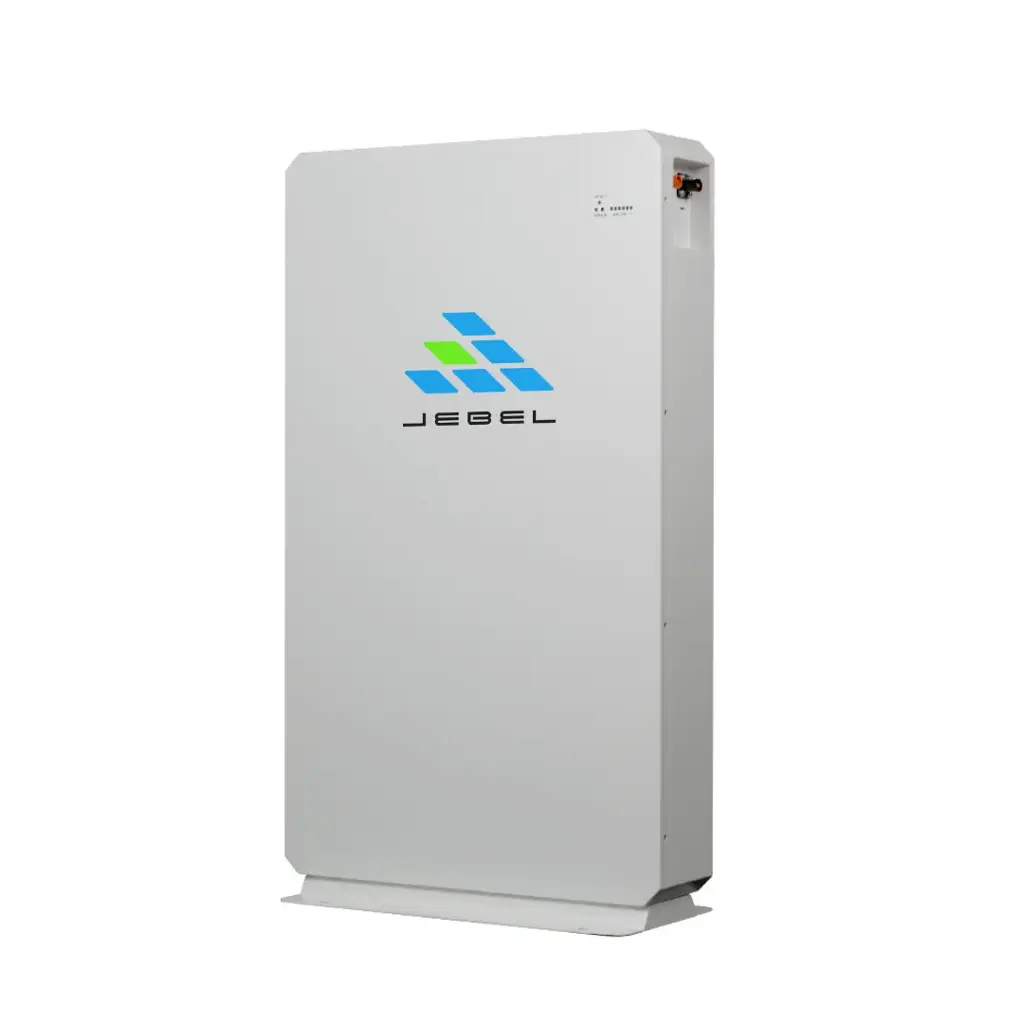
JEBEL 5.12kWh Wall/Floor Mount Lithium Battery: a 48V LiFePO4 battery with a 7-year warranty, a common starting size for home backup. View product
Market data: InfoLink Consulting and EPRA, as of November 2026.